.png)
.svg)



.jpeg)
.jpeg)


.jpg)
Features
August 24, 2026
Ideal Customer Profile Bucketing: Do You Really Know Your Audience?


.jpeg)

15 Jun 26
This might hurt a little, but acquiring a new customer today costs way more than it did eight years ago. CAC has jumped by a wild 222% over the last eight years.
And yet, most teams fail to realise that their rising CAC is a result of minimal attention to creative analysis. You can pin the blame for rising CAC on:
No doubt, all of those matter. But the real problem often lies somewhere else: your creatives.
By the end of this blog, you’ll understand why better creative analysis = better CAC.
Let’s cut to the chase and see where the disconnect exists between rising CAC and seemingly fine targeting.
Earlier, it was very easy to find the “perfect audience” online. But the times have changed. Targeting advantages are narrowing, and platform algorithms have become smarter. The tracking is becoming weaker because:
Even though Google has scrapped its infamous Cookiepocalypse, it allows people to manage their preferences or opt out within Chrome's standard privacy and security settings. People are now privacy-aware and block tracking voluntarily. Hence, first-party data is becoming the new marketing gold.
But even strong first-party data can only go so far if the creatives fail to engage users.
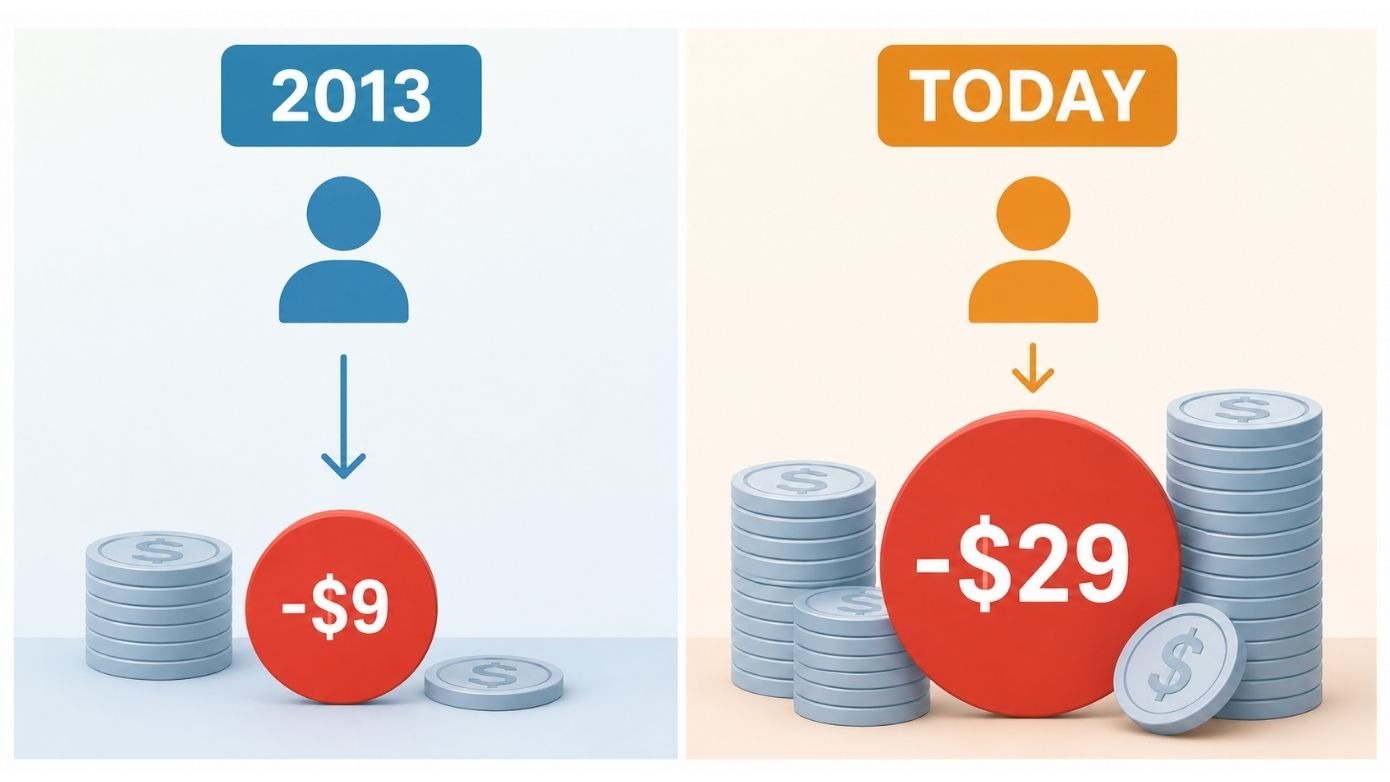
And the impact is not small. In 2013, brands lost around $9 on average for every new customer acquired. Today, that loss has climbed to roughly $29. Hence, acquiring customers has become more expensive.
Yet, many advertisers still optimize around:
And treat creatives as subjective assets rather than measurable performance variables. This creates a dangerous disconnect.
You may have:
But if you have poor creative analysis, then CAC will continue climbing. The next part of the blog briefly describes what creative analysis is.
Creative analysis is the process of evaluating ad creatives using performance data to understand:
In simple words: creative analysis tells you why a campaign performed well.
Creative analytics uses multiple layers of performance data to understand not just which ad won, but why it won. Here’s a table showing what type of data is used in creative analytics.
Simply working on good targeting won’t get you anywhere. Ad platforms now reward ads that hold attention, drive clicks, convert, and don’t make users react like, “Not this ad again.”
Here’s why ad creative analysis matters more than ever:
Every penny matters, and without detailed ad creative analysis, teams often spend more on campaigns without knowing which specific creative is actually driving performance.
As a result:
Let’s clarify what vanity metrics are.
Almost every other brand is in a toxic relationship with vanity metrics such as likes, shares, views, and clicks. These metrics are numbers that look good on paper and reflect engagement, but don't always reflect intent or actual buying behaviour.
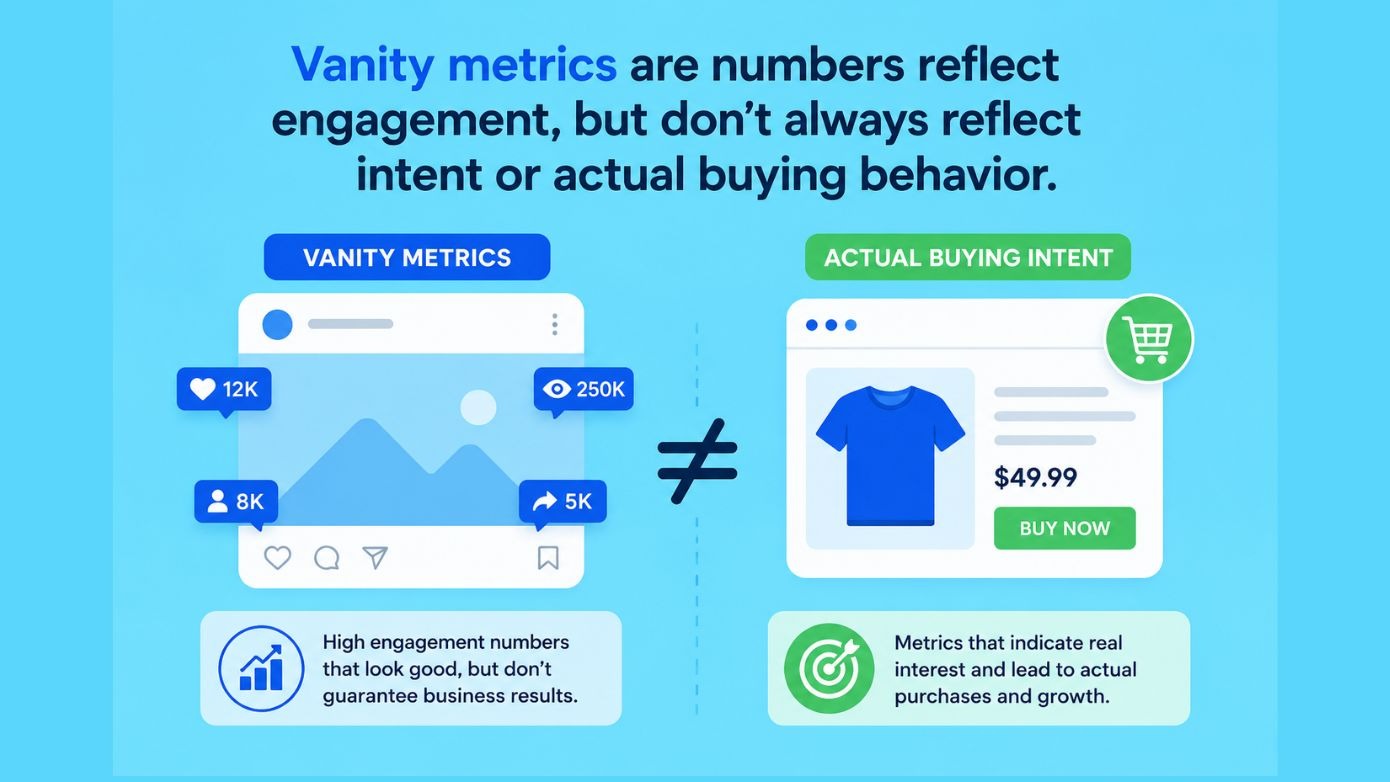
A 2022 HubSpot report found that nearly half of marketers had stopped focusing on vanity metrics and started paying more attention to metrics that directly impact revenue and customer satisfaction. The reason is simple: attention doesn't always translate into conversions.
The problem of scaling vanity metrics becomes worse with last-click attribution. In this, marketers often give credit to the final ad creative that got the sale and ignore the creatives that created awareness and purchase intent earlier in the customer journey.
This challenge is widespread. Research shows that 77% of brands struggle to create a cohesive customer journey across channels, making it difficult to identify which creatives truly influence conversions.
As a result:
A deep customer journey analysis is important to identify which creatives actually got you conversions. Sometimes the ads with lower engagement generate the highest ROAS because they’re the ones that moved your customer to a purchase.
Brand awareness can quickly turn into brand annoyance, and one of the biggest reasons for rising CAC is creative fatigue. It’s irritating to see the same ad multiple times. The average person sees thousands of ads every day, anywhere between 4,000 and 10,000. It's no surprise that people have become experts at ignoring ads.

In fact, as per Shnoco, nearly 63% of users install ad blockers because they're tired of being bombarded with advertisements everywhere they go online.
An ad may perform well for a few days or weeks, but eventually it loses its ‘main character’ energy and the audience starts avoiding it. By the time marketers notice the drop:
There is no benchmark for regularly analyzing creatives, but it is usually recommended to keep the campaign live for at least a week before analyzing it. Many brands claim to test ad creatives regularly. But in reality, they:
Without creative performance analysis, testing is just guesswork. A proper creative testing strategy helps teams understand:
That’s why creative optimization is one of the fastest ways to reduce CAC. Most brands use GA4 but it might not be enough for creative analysis.
According to recent data, 14.2 million websites use Google Analytics 4, a powerful tool for tracking traffic and campaign performance. But GA4 mainly provides:
It does not provide deep, creative-level analysis. Additionally, GA4 can make mistakes.
You can see: Which campaign converted. But you cannot easily see:
This is where most brands hit a visibility wall. And this is exactly why creative analytics platforms are becoming essential. One of the most essential and effective frameworks in ad creative optimization can be a Creative Quadrant. Let’s understand what it is.
A Creative Quadrant categorizes creatives based on two key signals: engagement and intent. This helps marketers understand which ads are attracting attention and which ones are actually driving purchase decisions.
💡The biggest opportunity often lies in identifying Low Engagement + High Intent creatives. While they may appear underwhelming at first glance, customer journey analysis often reveals that these ads play a critical role in driving conversions. Scaling the right intent-driving creatives can help lower CAC and improve ROAS.
By now, you’ve realized that creatives are one of the most essential growth levers. So, you need more than just campaign-level reporting. You need to know which specific creatives are helping your brand scale and which ones are quietly eating the budget.
That’s where CMGalaxy helps you out.
Most analytics platforms tell you which campaign performed well. CMGalaxy helps you understand which creative made it perform well.
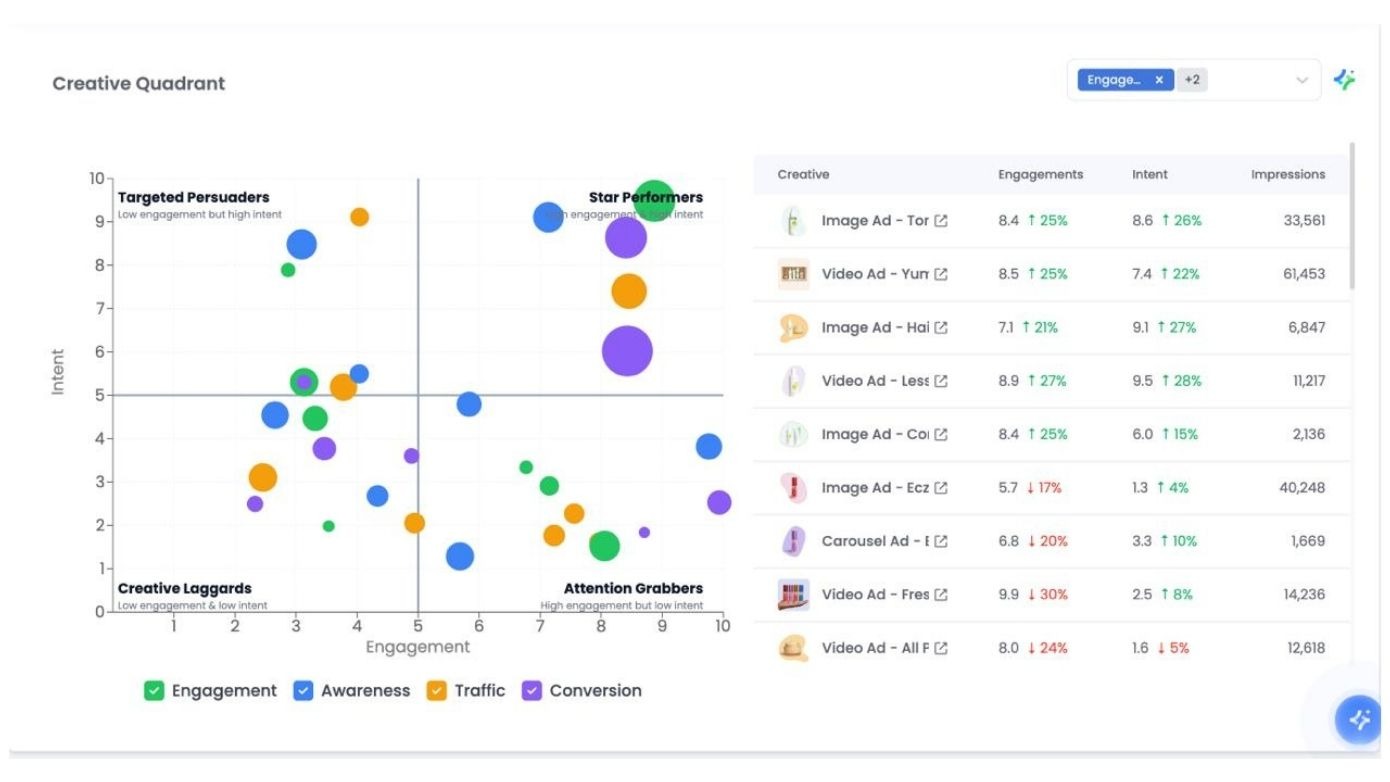
CMGalaxy is one of the best ad tools for creative analysis and gives you the deeper visibility needed to understand:
CMGalaxy helps advertisers improve creative performance analysis through:
Instead of guessing which ads are working, teams can make faster, data-backed decisions around creative optimization.
This improves:
Because when you understand what creatives are actually doing, you’ll stop scaling blindly.
And ultimately:
Blame all you want on algorithms, competition, or audience saturation, but the real issue might be hiding in plain sight: your creatives. Creative analysis has become one of the biggest drivers of advertising performance.
Creative quadrants help with creative analysis by categorizing creatives based on engagement and intent. Performance marketing teams can find out which ads are genuinely driving conversions and which are simply creating noise.
With the help of a clear customer journey, you’ll find out which creatives influence purchase decisions, even if they don’t have the highest engagement metrics. This clarity helps you to:
1. What is creative analysis in digital advertising?
Creative analysis is the process of evaluating ad creatives using performance metrics such as CTR, CAC, ROAS, watch time, engagement, and conversions. It helps marketers understand which creative elements drive results and why.
2. How does creative analysis help reduce CAC?
Creative analysis identifies the hooks, visuals, messaging, and formats that perform best. By scaling winning creatives and eliminating underperforming ones, brands can improve conversion rates and reduce CAC.
3. What are vanity metrics, and why can they be misleading?
Vanity metrics such as likes, shares, views, and clicks measure engagement, but they don't always indicate intent to purchase. An ad may attract attention without driving conversions. Focusing only on vanity metrics can lead teams to scale the wrong creatives, increasing CAC while overlooking ads that genuinely influence sales and improve ROAS.
4. Why is GA4 not enough for ad creative analysis?
GA4 primarily provides campaign-level and channel-level insights. While it shows which campaigns generated conversions, it does not reveal which specific creative, hook, or visual contributed to that performance.
5. How does CMGalaxy help with creative performance analysis?
CMGalaxy provides creative-level reporting, fatigue detection, creative quadrant analysis, first-party data enrichment, and cross-platform visibility. This helps advertisers make data-driven decisions that improve creative optimization and reduce rising CAC.
Marketing technology content specialist with 4+ years of experience creating research-driven content for the EdTech and B2B SaaS space. Passionate about simplifying complex MarTech concepts through strategic storytelling, audience-focused writing, and data-backed insights.


Copyright © 2025 CMGalaxy | All Rights Reserved.


